Flat Roof vs Pitched Mabati Roof: Pros and Cons for Kenya
Choosing between a flat and a pitched mabati roof shapes your drainage performance, your budget, and how long your sheets last in Kenya's varied climate. You will find a clear comparison of both designs across cost, rainfall handling, and durability so you can walk into your next contractor meeting with a confident answer. The right call depends on your location, your build, and how much maintenance you are willing to carry out over time.
Get the best roofing sheets prices in Kenya
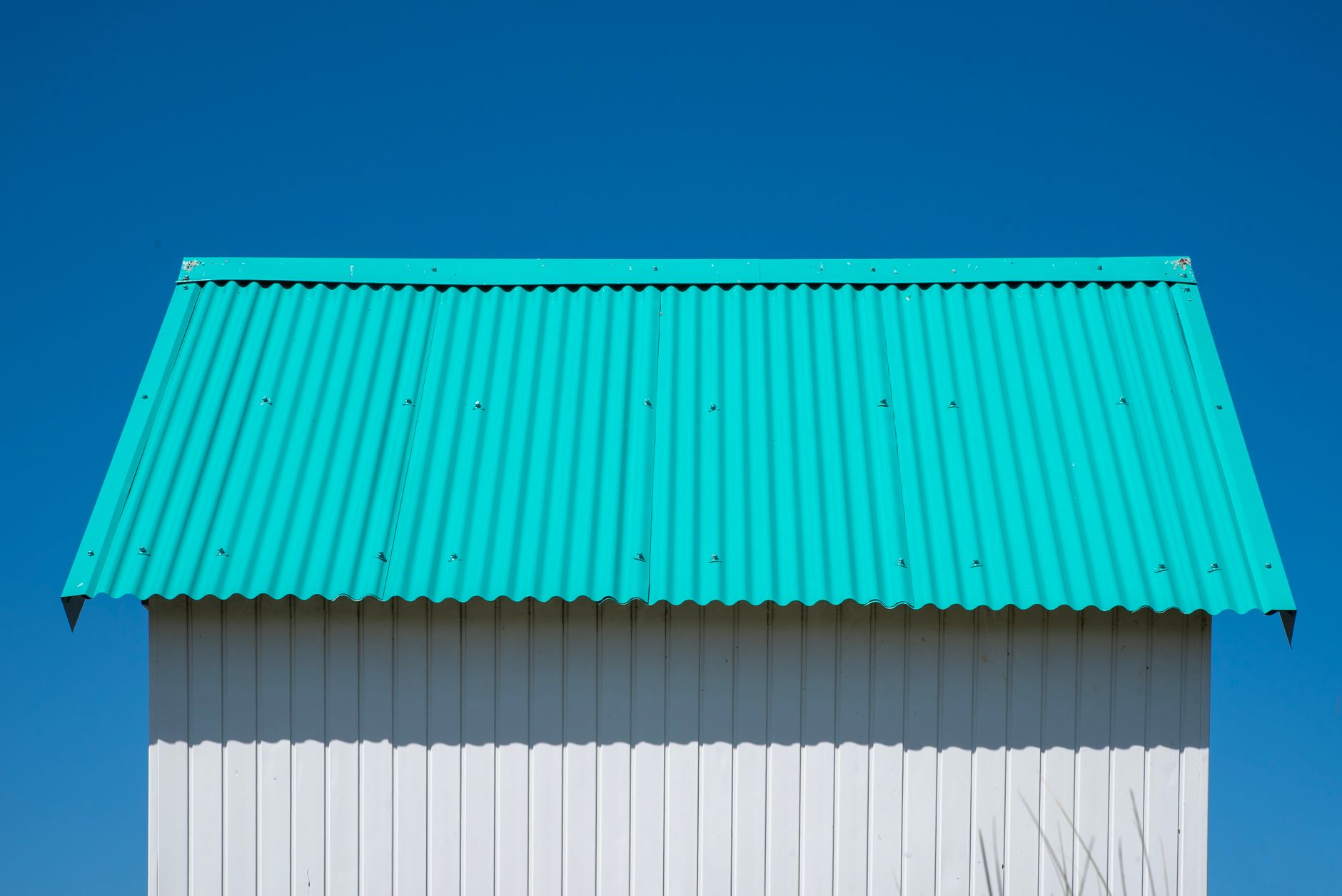
If you are planning a new build or renovation in Kenya and cannot decide between a flat or sloped structure, the flat roof vs pitched mabati roof Kenya debate is one of the most practical choices you will face before your contractor breaks ground. Both designs are widely used across the country, from Nairobi's densely packed urban estates to rural homesteads in Kisumu and Meru, and each comes with a distinct set of trade-offs. The decision affects your drainage performance, your construction budget, the comfort of the space beneath, and how long your mabati sheets will last before needing replacement. For a fuller picture of how roof design fits into your overall build, the broader resource Roof construction in Kenya: Guide to design, materials and roofing practices covers everything from structural framing to material selection in one place. This post focuses on one specific question that every Kenyan builder, homeowner, or contractor eventually asks: which roof shape actually serves your project better, and why?
Understanding Flat and Pitched Mabati Roofs
A flat mabati roof is not perfectly level. It sits at a very slight gradient, usually between one and five degrees, just enough to allow some surface drainage without creating the visible slope you associate with a traditional roofline. The mabati sheets lie almost horizontally across a timber or steel purlin frame, and the structure beneath needs relatively less timber work compared to a steeply angled design. This simplicity is part of the appeal, especially for urban properties where building plots are small and the visual profile needs to stay low. Flat roofs are common on commercial premises, rental units, and extensions to existing homes across Kenyan towns.
A pitched mabati roof, by contrast, sits at an angle that typically ranges from fifteen to forty-five degrees in Kenyan construction practice. The steeper pitches appear more often in high-rainfall zones such as the Central Highlands, Mount Kenya region, and parts of the Western counties where storms are both frequent and heavy. The angled framing requires a ridge board at the apex, rafters sloping downward on either side, and purlins running across those rafters to carry the mabati sheets. This geometry creates a triangulated structure that distributes load efficiently and gives the roof its characteristic shape. Pitched roofs are the dominant style for permanent family homes across most of Kenya's regions.
Kenya's tropical and equatorial rainfall pattern matters enormously when you choose a roof shape. The country experiences two main rainy seasons, the long rains from March to May and the short rains from October to December, with some highland areas receiving rainfall almost year-round. A pitched design sheds water quickly by letting gravity do the work the moment rain hits the surface. A flat roof, even with a slight gradient, holds water longer and relies entirely on the drainage path you engineer into the structure. Understanding this difference is the starting point for every other comparison in this post.
Rainfall and Water Drainage Performance
A pitched mabati roof sheds heavy rain almost the instant it falls, because the slope turns gravity into a continuous drainage mechanism. Water travels down the corrugated or box profile channels and reaches the gutter within seconds, reducing the time any moisture spends in contact with the sheets, the fasteners, or the timber purlins below. During Kenya's long rainy season, when downpours can last for hours and accumulate quickly, this rapid shedding prevents the kind of saturation that accelerates corrosion. The steeper the pitch, the faster the runoff, which is why builders in the Mount Kenya region and the Aberdares tend to favour angles above thirty degrees. Effective pitched roof drainage also reduces splash erosion around the building's foundation, a secondary but real benefit on sloped or clayey soils.
Flat roofs demand a much more deliberate drainage strategy to achieve the same outcome. Every flat roof needs properly sized gutters along its lower perimeter, downspouts with adequate diameter, and often internal drainage channels or scuppers built into the parapet wall. If any of these elements are undersized, blocked with debris, or poorly installed, water will pool on the surface. Pooling is the single greatest enemy of a flat mabati roof, because standing water accelerates the corrosion of even pre-painted or galvanised sheets. Builders in Nairobi's industrial estates and rental housing blocks often manage this by using a slightly higher-spec gauge mabati and scheduling regular gutter cleaning as part of the building's maintenance programme.
The risk of water stagnation on flat roofs intensifies during Kenya's long rainy seasons, particularly in low-lying areas around Kisumu, Thika, or Mombasa's coastal flatlands. A single blocked downspout during a sustained storm can leave several centimetres of water sitting on the roof surface for hours. That weight adds structural load, accelerates corrosion at any fastener point, and can seep under lapped sheets at joints. Maintaining a flat mabati roof in good drainage order requires inspection at least twice a year, before each rainy season, with particular attention to gutters, downspout inlets, and the condition of the sheet laps. Pitched roofs reduce this maintenance burden significantly, because the water is simply gone before it can cause trouble.
Cost, Installation, and Labour Considerations
Flat roofs generally require fewer materials for a comparable floor area, which can make the initial bill of quantities look attractive. The simpler framing means less timber, fewer brackets, and a smaller number of fasteners per square metre. Ridge caps and roll caps, which are essential components on a pitched roof, are not needed on a flat structure. For a developer building rental units on a tight budget in Nairobi's Eastlands or Eldoret's outer estates, this saving on materials can be meaningful across multiple units. The trade-off is that the flat roof's drainage system and waterproofing details must be budgeted carefully to compensate for what the slope cannot do naturally.
Pitched roofs carry higher upfront material costs because of the additional components the geometry demands. Ridge caps run the full length of the apex and must be properly lapped and sealed to prevent water ingress at the highest and most exposed point of the structure. Roof bracing, diagonal wind ties, and more complex rafter configurations all add labour time and material cost. The mabati sheets themselves must be cut at angles to fit gable ends neatly, which generates offcuts and requires more precise measurement. For a properly braced and sealed pitched roof in a high-rainfall county, the complete cost per square metre can be fifteen to twenty-five percent higher than a comparable flat structure.
Labour skill and availability also differ between the two designs. Flat roof installation is relatively straightforward and can be completed by competent general builders without specialist roofing experience. Pitched roof construction demands a better understanding of rafter geometry, load distribution, and the correct sequencing of purlins and sheets to ensure the structure is true before the mabati goes on. In many peri-urban and rural areas of Kenya, experienced fundi wa dari (roofing artisans) who understand pitched roof bracing are in higher demand than those who only handle flat work. Budgeting for skilled labour on a pitched roof is not optional, because poor framing leads to racking, uneven sheet alignment, and premature fastener failure at stress points.
Durability and Weather Resistance in Kenya's Climate
UV exposure is a significant factor for mabati on any roof, but flat roofs take more direct and prolonged solar radiation on their upper surface than pitched roofs do. In Kenya's equatorial belt, including Nairobi, Nakuru, and the arid zones of Turkana and Marsabit, the sun sits high in the sky and beats down almost perpendicular to a flat surface for many hours daily. This concentrated UV load degrades paint finishes faster, causes the steel substrate to heat up more intensely, and drives thermal expansion and contraction cycles that loosen fasteners over time. Pre-painted mabati with a durable polyester or PVDF coating performs better under these conditions, but no coating lasts indefinitely under constant direct radiation. Specifying a higher-quality finish is a worthwhile investment for any flat mabati roof in a sunny Kenyan location.
Wind performance is another area where pitched and flat roofs behave very differently. A well-braced pitched roof presents a triangulated structure to the wind, and the angled surfaces deflect gusts rather than catching them broadside. Flat roofs, even those with low parapets, can experience significant uplift forces during the seasonal storm winds that sweep across the Rift Valley, the coast, and the open highlands of Laikipia. Secure fastening with the correct number of roofing screws per sheet is critical on a flat mabati roof, and the sheets at the perimeter are the most vulnerable because wind pressure is highest at the edges. Using G28 gauge mabati instead of the lighter G30 provides meaningful additional rigidity against wind flex on both roof types, but the benefit is especially pronounced on flat configurations.
The lifespan of mabati sheets depends on gauge, coating quality, installation care, and how the roof design manages the two enemies of sheet metal: sustained moisture contact and thermal cycling. G28 gauge sheets, being thicker and denser, resist the denting, flexing, and micro-cracking at fastener holes that leads to early corrosion. G30 sheets are lighter and lower in cost but need more frequent inspection and touch-up painting in areas where the coating gets abraded. On a pitched roof, the rapid drainage means sheets dry quickly after rain, which slows the corrosion process noticeably. On a flat roof with even moderate pooling, the same G30 sheet will show rust at laps and fastener holes years earlier than it would on a pitched counterpart, making gauge selection a more consequential decision on flat configurations.
Space Utilization and Building Design
One practical advantage that flat roofs offer is the usable surface area they create above the building. A flat mabati roof with a properly reinforced structure can support a water storage tank, a solar water heater, or even a rooftop garden with planters. In Nairobi and other urban centres where plot sizes are small and ground-level space is at a premium, this rooftop utility is a genuine asset. Developers of commercial buildings and apartment blocks frequently design flat roofs specifically to accommodate communal water tanks and off-grid solar panels. This multi-use potential can offset some of the higher maintenance costs over the building's lifetime.
Pitched roofs bring a different kind of design value, rooted in how a building looks and how the interior feels. The angled roofline is the dominant aesthetic in Kenyan residential architecture, from the clay-tiled homes of Kiambu's wealthier suburbs to the mabati-clad farmhouses of the Rift Valley. A pitched roof also creates a larger interior volume above the ceiling line, which improves natural ventilation and keeps rooms cooler during the hot dry seasons. When corrugated or tile-profile mabati is used on a pitched roof, the visual result is a home that reads as substantial and permanent, which matters both to occupants and to neighbours in communities where a pitched roof signals investment and quality. Zoning regulations in some counties also specify minimum roof pitches for residential construction, so it is worth checking local building codes before finalising your design.
Making Your Choice: Flat Roof vs Pitched Mabati Roof Kenya
Flat roofs make the most practical sense for certain specific situations in the Kenyan context. Urban rental units, commercial lock-up shops, car ports, and single-storey extensions to existing homes are all well-suited to flat mabati construction where the budget is tight and the rainfall is moderate. Secondary structures such as store rooms, water pump houses, and staff quarters on large rural properties are also sensible candidates for a flat approach. The key is to pair the flat design with high-quality fasteners, a proper gutter and downspout system, and a gauge of mabati appropriate to the UV and wind conditions at your specific site. Skipping on any of these elements on a flat roof will cost you more in repairs within three to five years than the initial saving justified.
Pitched roofs are the better choice for permanent family homes, buildings in high-rainfall counties, and any structure in a location that experiences strong seasonal winds. The Central Highlands, Western Kenya, and the coastal hinterland all receive enough annual rainfall to make the drainage advantages of a pitched design genuinely valuable over a ten or twenty-year lifespan. Steep terrain also favours pitched roofs because the visual relationship between the building and the hillside landscape looks more coherent, and the structural geometry handles uneven load from wind and rain more reliably. If your build is a long-term asset, whether a family home in Murang'a or a school classroom block in Kisii, the durability and lower long-term maintenance costs of a properly installed pitched mabati roof will almost always justify the higher upfront investment.
Regardless of which roof type you choose, the quality of the mabati sheets and fasteners you specify will determine how long your roof performs without intervention. G28 gauge sheets in box profile or corrugated style give you a measurable advantage in rigidity and corrosion resistance over G30, and the price difference per sheet is modest relative to the total project cost. Ridge caps and roll caps on a pitched roof must be correctly lapped and sealed with the right screws at the right spacing, because a failed ridge is the most common source of leaks in Kenyan roofing. Talking to a local builder who has completed projects within five kilometres of your site is genuinely useful, because they will know which roof types have held up best under your specific microclimate conditions and can steer you away from approaches that have failed locally.
Choosing between a flat and a pitched mabati roof is ultimately a question of matching the design to your location, your budget, your long-term plans, and the specific demands of Kenya's climate in your area. Both roof types can perform well when they are properly designed, built with quality materials, and maintained consistently. Both can fail quickly when corners are cut on gauge, fasteners, drainage, or framing. The best starting point is an honest assessment of your rainfall zone, your plot constraints, your budget over a ten-year horizon rather than just a construction horizon, and the skill level of the builders available to you locally. With those factors clear in your mind, and with quality mabati sheets, ridge caps, and fasteners sourced from a reliable supplier, you will be in a strong position to make a decision that serves your building well for decades to come.
Get the best roofing sheets prices in Kenya
Best Mabati Prices →