How to Reduce Mabati Roof Noise Rain During Heavy Kenyan Storms
A mabati roof in a Kenyan downpour can drown out conversation, the television and a sleeping baby, even when the sheets are good. Ceiling insulation, sarking under the sheets and firm fixing each cut the drumming and rattle. Pick the fixes that suit your build, then source the sheets and fasteners to match.
Get the best roofing sheets prices in Kenya
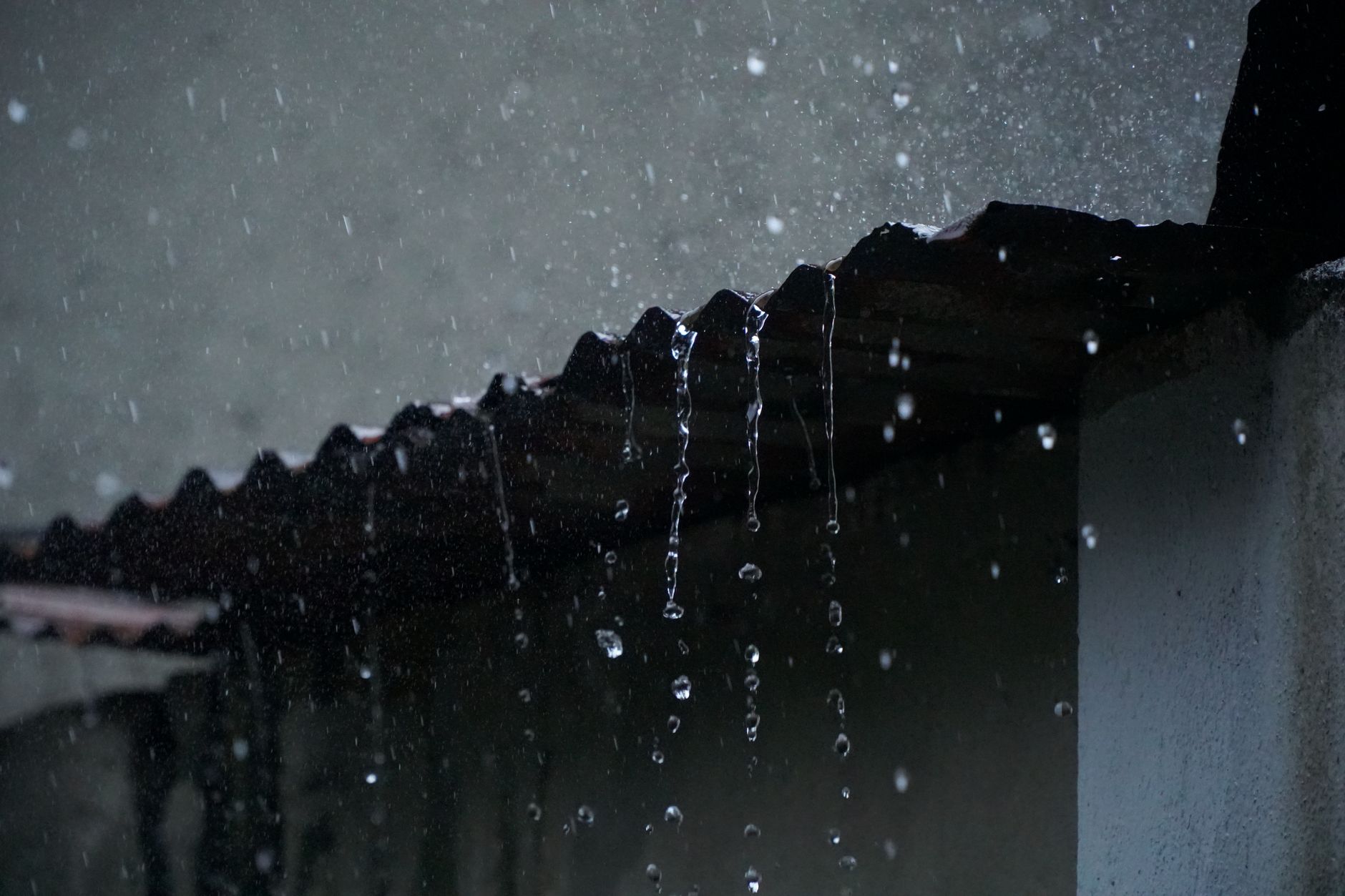
If you have ever sat under a mabati roof during a long rains downpour in Nairobi, Kisumu or Nakuru, you know how loud it can get. Conversations stop, the television goes up a few notches, and the baby wakes at the first heavy drop. Many homeowners assume the noise means they bought poor sheets or that the roof was badly built, but that is rarely the case. Steel roofing is simply honest about the weather, and the good news is that there are proven ways to reduce mabati roof noise rain without giving up the durability and value that make mabati so popular. This post, which sits alongside our wider Mabati in Kenya Guide, walks through ceiling insulation, sarking and proper sheet fixing in plain terms. Whether you are building new or living under an existing roof, you will come away with practical steps you can discuss with your fundi or supplier.
Why a Mabati Roof Gets So Loud in the Rain
A mabati sheet is a thin layer of coated steel, and thin steel behaves like the skin of a drum. Every raindrop that lands on it sends a small vibration across the sheet, and the corrugations or box profile carry that vibration along the full length of the roof. Because the sheet is light and stretched across purlins with open space below, there is very little to absorb the energy. The result is a sharp, drumming sound that seems to come from everywhere at once. Understanding this is the first step to fixing it.
The space between the sheets and the ceiling makes things worse. That air gap works like the hollow body of a guitar, amplifying and holding the sound before it travels down into your living room or bedroom. In houses with no ceiling at all, the sound goes straight into the room with nothing to soften it. Even a ceiling made of thin material can rattle along with the sheets if it is not fixed well. The gap is not a flaw, since it is needed for airflow, but it is why a quiet roof needs a deliberate design.
Kenyan rain also plays a part. Tropical storms often bring large, heavy drops falling fast, and each one hits harder than the fine drizzle you get in cooler climates. A short but violent downpour can sound far louder than a whole afternoon of light rain. Hail, which does fall in parts of the highlands, is louder still. It helps to remember that none of this means your roof is defective, because a sound roof can be noisy and still keep every drop out. What matters is that the noise is something you can reduce, and the next sections show how.
Fit Ceiling Insulation Between the Roof and the Rooms Below
The most effective single upgrade is usually insulation placed between the roof and the rooms below. Mineral wool and glass wool are fibrous materials that trap and dampen sound waves, so they are the best performers for absorbing the drumming. Polystyrene boards are lighter and easier to handle, and they help as a buffer, though they do not absorb sound as well as the wool types. Foil-backed rolls are also sold with roofing and mainly target heat, but they can add a useful layer too. Choosing between them comes down to budget, how much noise bothers you, and how the roof is built.
How you fix the insulation matters as much as what you choose. It can be laid over the ceiling board, or fixed to the underside of the purlins so that it sits close to the sheets. Placing it tight against the underside of the roof cuts down the open air that amplifies the sound. Laying it over a ceiling makes a thick blanket that the sound must pass through before reaching the room. Whichever route you take, avoid leaving gaps and torn patches, because sound slips through any opening just as heat does.
A proper ceiling board adds the final layer of protection by adding mass. Timber, gypsum and PVC boards are all common in Kenyan homes, and each one stops the drumming from travelling straight down. Heavier boards such as gypsum tend to block more sound than light PVC panels, though PVC resists moisture well and is quick to install. Good fixing keeps the board from vibrating along with the roof above. As a welcome side benefit, insulation also keeps rooms cooler in the afternoon sun and warmer on chilly nights, which is valuable in many parts of the country.
Use Sarking Underneath the Sheets
Sarking is a thin membrane or felt laid over the purlins, directly beneath the mabati sheets. Its first job is to act as a secondary barrier against wind-driven rain and condensation. It also has a second benefit that homeowners often overlook, which is to soften the sound. By sitting between the metal and the timber structure below, it deadens some of the direct contact that carries vibration into the building. It will not silence a roof on its own, but it makes a real difference when paired with insulation.
When choosing a sarking product, pick a breathable one. Mabati roofs can build up condensation on the underside of the sheets, especially in cool, humid areas or when the roof is warmed by the sun and cooled by rain. A membrane that cannot breathe may trap that moisture and lead to damp timber, mould or rust over time. Ask your supplier for a breathable roofing membrane suited to metal sheets and check its recommended use before you buy. Getting this choice right protects the roof as well as keeping it quiet.
Installation is where many people go wrong. The sarking must be laid with proper overlaps, and the joins should be taped or sealed according to the product instructions so that water cannot sneak through to the timber. It should be fixed neatly and not stretched too tight or left sagging between purlins. Take care not to puncture it more than needed when fixing the sheets above. A well laid membrane lasts for years, while a careless one can cause leaks that are hard to trace.
Fix the Sheets Properly to Stop Rattling
Some of the noise under a mabati roof is not the rain itself but loose parts vibrating in the wind and rain. When fixings are slack, the sheet can lift slightly and tap against the purlin with each gust or heavy drop. That ticking and rattling sound is far more irritating than the steady drumming of the rain. It is also a sign that the roof is moving more than it should, which can eventually damage the sheet or let water in. Tightening up the fixing is therefore both a comfort fix and a durability fix.
Use the correct roofing screws with rubber or neoprene washers at every purlin, and match the screw length to the profile and the timber or steel beneath. The washer should sit flat and compress slightly, creating a seal and a cushion between the screw head and the sheet. Do not over-tighten, since a crushed washer loses its grip and can crack, and a deformed sheet may leak around the head. Fasteners placed on the crown or the correct part of the profile, as your supplier advises, hold better and look neater. Cheap or mismatched fasteners are a common source of both noise and leaks, so it pays to buy quality ones.
The laps and caps need attention too. Side laps and end laps should be sealed and overlapped as recommended, so the sheets sit firmly against each other and do not flutter. Ridge caps and roll caps should sit snugly along the sheets with no gaps that let wind whistle through. After the first big storm, climb up safely or ask your fundi to inspect the roof, then tighten or replace any fixings that have loosened. A short check after the first heavy rains can save you from months of annoying ticking sounds.
Practical Choices to Reduce Mabati Roof Noise Rain for Builders and Homeowners
If you are building, plan insulation and sarking into the budget from the start. Adding them during construction is far cheaper and easier than retrofitting, because the purlins are open and the ceiling work is not yet finished. Going back later usually means lifting sheets, removing ceilings or working in cramped roof spaces. Even if the budget is tight, it is often wiser to choose a slightly smaller roof area or simpler finishes than to skip the layers that make the home comfortable. A little planning early on can spare you years of irritation.
Talk to your supplier about the sheets themselves. Gauge and profile both affect how a roof sounds, and a thicker G28 sheet tends to feel a little more solid than a thinner G30, although neither will be silent without the layers beneath. Corrugated, box profile and tile styles also behave differently, since their shapes spread and carry vibration in different ways. Ask which option suits your building, your budget and your tolerance for noise, and do not be shy about asking how each one sounds in a downpour. A good supplier will also help you match the right ridge caps, roll caps and fasteners to your chosen sheets.
For the quietest result, combine all three fixes, which are sarking beneath the sheets, insulation above or against the ceiling, and careful fixing of every sheet and cap. Each one tackles a different part of the problem, so together they work far better than any single measure. Finally, keep the roof ventilated so that your solution does not create a moisture problem. Eaves vents, ridge ventilation or small gable openings let trapped humid air escape and keep insulation dry, which matters because damp insulation loses its effect and can encourage mould. A quiet roof is one that is also dry, breathing and well maintained.
Conclusion
A mabati roof will always make some sound when heavy rain arrives, but it does not have to take over your evening. The drumming comes from thin steel, open air gaps and the hard, large drops of a Kenyan downpour, and each of those causes has a practical answer. Insulation and a good ceiling board absorb and block the noise, sarking softens the contact beneath the sheets, and correct fixing stops the rattles that make things worse. Together with sensible ventilation, these steps give you a roof that is quieter, cooler and longer lasting. If you want to reduce mabati roof noise rain on your next project, start by planning these layers early and choosing sheets, caps and fasteners that suit one another. At Smart Builders Africa we stock mabati in G28 and G30 gauges, along with ridge caps, roll caps and roofing fasteners, and our team is happy to help you choose the right combination for your building.
Get the best roofing sheets prices in Kenya
Best Mabati Prices →