Roofing Colours in Kenya: Charcoal Grey, Tile Red and Dark Green
A roof colour stays on your house for fifteen or twenty years, yet most buyers decide it at the counter in a few seconds. Charcoal grey, tile red and dark green each handle Kenyan sun, rain and dust differently, so you can match the shade to your home before you order.
Get the best roofing sheets prices in Kenya
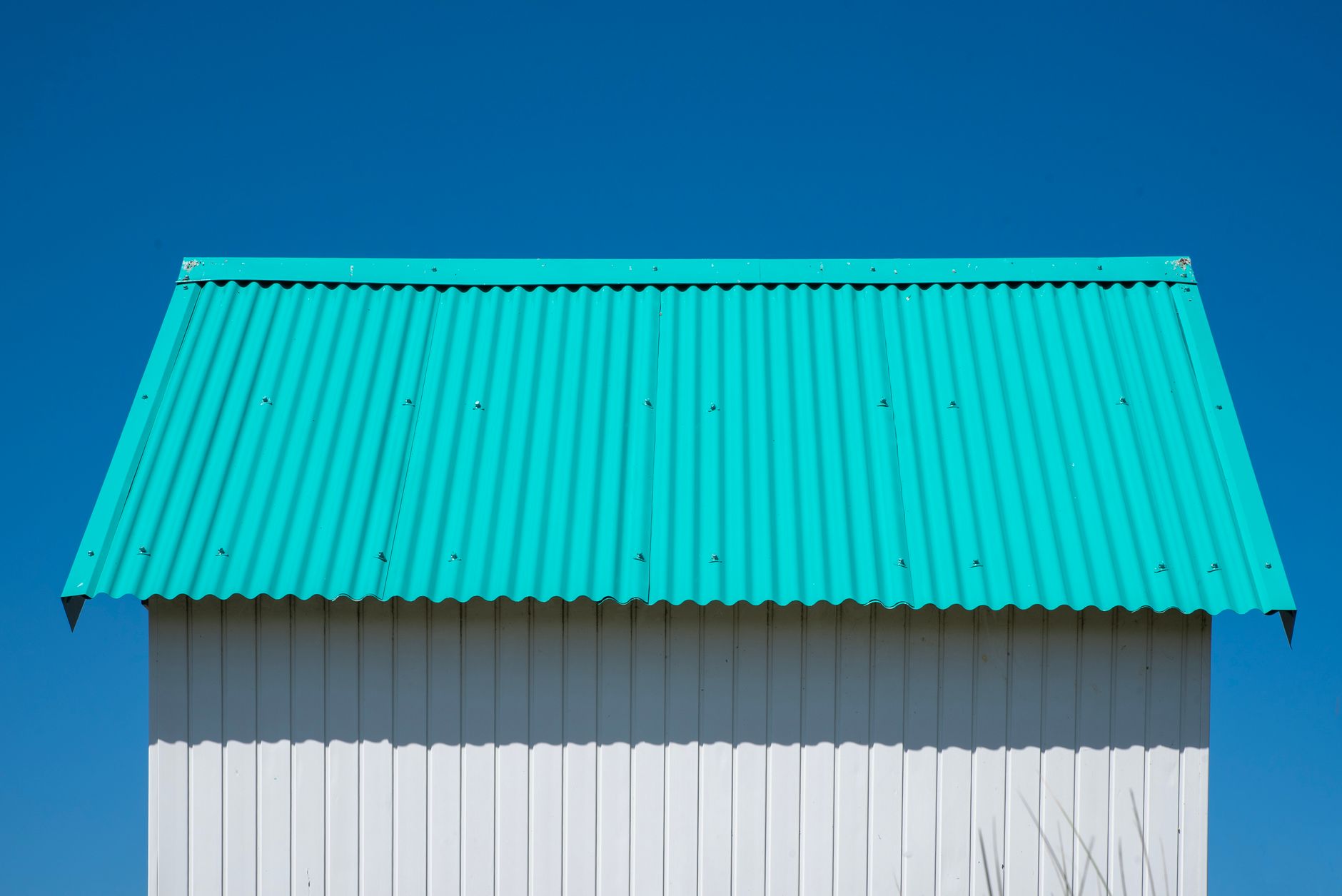
Choosing a roof is rarely only about the sheet itself, because the colour you pick will be on your house for fifteen or twenty years. Many people walk into a roofing store in Kenya having already settled on a gauge and a profile, then freeze when asked which colour they want. Versatile roofing sheets come in a handful of popular shades, and three of them dominate Kenyan rooftops: charcoal grey, tile red and dark green. Each one behaves differently under our sun, rain and dust, and each one suits a different kind of home. This post walks through all three in plain terms so you can decide with confidence before you place an order. If you are still working out the basics of profiles, gauges and what to expect, our Mabati in Kenya Guide covers the wider picture, and this article zooms in on colour alone.
Why colour matters on a Kenyan roof
The first thing to understand is that a roof sheet is the part of your house that meets the sun first. Lighter colours reflect more sunlight, while darker colours soak up more of it and pass some of that warmth into the roof space. In a place like Kitui, Garissa or the coastal belt around Mombasa, that difference can be felt in the bedrooms under the ceiling by mid afternoon. In cooler highland areas such as Limuru or Nyeri, a little extra warmth is often welcome, and the same dark sheet that feels harsh in a hot town may feel perfectly comfortable. This is why the same colour can be a good choice for one family and a poor choice for another, even when the sheets are identical.
Colour also decides how the roof sits with everything around it. A roof is the largest single surface people see when they look at your home from the road, so it shapes the first impression more than doors, gates or window frames. A shade that clashes with plastered walls or a stone boundary wall can make a new house look unfinished, even when the building work is excellent. A shade that suits the surroundings makes the whole compound look planned and settled. It is worth taking this seriously, because a roof is not something most people want to repaint or replace after a few years.
Finally, treat colour as a practical decision that sits next to gauge and profile, not after them. A G28 sheet is thicker and sturdier than a G30, and a box profile sheds water differently from a corrugated one, but none of that helps if you regret the colour once the roof is up. Colour also needs to be thought through for the accessories, because ridge caps, roll caps and fastener heads should match the sheets for a clean finish. Deciding on colour early lets you order everything in one go, with no mismatched batches to sort out later. It also gives you time to compare options calmly instead of choosing in a rush at the counter.
Charcoal grey: the most practical choice
If you want one safe answer, charcoal grey is usually it. The darker grey tone hides what Kenyan roofs collect most, which is dust in the dry season, mud splashes from heavy rain, and soot in areas where cooking fires or nearby traffic leave a film. A pale roof will show streaks and stains within a season or two, while charcoal grey stays looking even for much longer. For a landlord who does not want to climb a ladder every few months, that low-maintenance quality is a real saving. It also means the building keeps a tidy appearance between occasional rinses, which matters if you rent out units and want the property to look cared for.
Charcoal grey also sits in a comfortable middle ground for heat. It is darker than cream or light grey, so it does absorb some sunlight, but it is not as heat hungry as a very deep dark colour. That moderate reflection suits most Kenyan climates, from the warm Rift Valley floor to the cooler slopes around Mount Kenya. Paired with a proper ceiling and a gap for ventilation under the eaves, most households find the temperature inside quite manageable. Versatile roofing sheets in this shade are a sensible starting point when you are unsure where to begin.
The third strength of charcoal grey is how easily it pairs with walls. It works with plastered and painted walls in white, cream, beige or pale blue, which are common in urban estates in Nairobi, Nakuru and Eldoret. It also looks good against natural stone and brick, which you see across many rural homes and boundary walls. Because grey is neutral, you can change your wall paint years later without the roof ever looking out of place. That flexibility is one reason it is the shade most customers end up taking home.
Tile red: the traditional look
Tile red is for the homeowner who wants warmth and a classic appearance. It echoes the clay tile roofs many people associate with older bungalows, mission buildings and farmhouses, but in a sheet that costs far less and weighs far less on your timber or steel structure. It looks especially good on a house with cream or white walls and a bit of landscaping around it. When paired with tile-style sheets, the effect gets even closer to a traditional roof, and many buyers choose it for exactly that reason. The lighter weight also means the roof structure underneath does not have to carry as much as it would under real clay tiles.
On heat, a lighter or brighter red reflects more sunlight than the darkest shades, so it can help reduce heat gain in hot, dry areas. This matters for homes in places such as Machakos, Kajiado or Baringo, where daytime temperatures climb fast and a little reflection goes a long way. It is not a replacement for a good ceiling and proper ventilation, but it does take some pressure off. If heat is your main concern and you still want a warm colour, a brighter tile red can be a smart compromise. Combine it with open eaves and a sound ceiling, and the rooms below will be more comfortable through the hottest part of the day.
The honest trade-off with red is how it ages and how it shows dirt. Strong reds can fade under years of direct sun, so an older roof may look slightly paler on the side that faces the afternoon sun. Red also makes dust and bird droppings stand out differently from grey, and a reddish film of dry-season dust can blend in on some roofs but look patchy on others. Expect to rinse it more often than charcoal grey, ideally with plain water and a soft brush from a safe position. Keep in mind that this extra attention is simply the price of the warm, traditional look you are choosing.
Dark green: blending into the landscape
Dark green is the colour for homes that want to sit quietly inside their surroundings. It suits farms, tea and coffee estates, plantations and wooded plots, where a bright roof would stand out against the trees. Around Kericho, Limuru, Kakamega and the Aberdares, you will see many dark green roofs that almost disappear into the hillside. For a homeowner who values that calm, natural look, no other colour comes close. The roof becomes part of the scenery instead of competing with it, which is exactly the effect many rural owners are after.
The practical catch is heat. Darker shades absorb more sunlight than lighter ones, so a dark green roof will carry more warmth into the space beneath it, especially at midday. This makes ventilation and ceiling insulation matter more, not less. Leave proper gaps for air to move under the eaves, fit a ceiling board or insulation layer, and keep the roof space free of blockages. In cooler highland areas, the extra warmth is far less of a worry, which is one reason dark green is so popular there.
Dark green also works well beyond private homes. Rural schools, dispensaries, churches and community halls often choose it because it looks dignified, hides dust reasonably well, and fits into a natural setting without drawing attention. Where several buildings share a compound, using the same green across all of them gives the whole site a neat, unified look. If you are roofing a project of that kind, ordering your sheets, ridge caps and roll caps together helps keep the colour consistent across every building. Matching everything from a single order also avoids the slight shade differences that can appear between separate batches.
Choosing the right shade for your versatile roofing sheets
Start with your local climate, because it quietly decides which colours will serve you best. In hot and dry areas, lean toward lighter or brighter tones, or choose charcoal grey with good ventilation. In cool and wet areas, darker colours cope well, and they also hide the moss, mud and rain streaks that come with frequent showers. If you live somewhere with dusty dry seasons followed by heavy rains, a mid to dark tone will look neat for longer between cleanings. Thinking about the weather first makes the rest of the decision much easier, because it quickly narrows the list of shades worth considering.
Next, look at what your roof must sit alongside. Stand in your compound and consider the wall paint, the gate, the fence, the nearby trees and even your neighbours' roofs. A charcoal grey roof will suit most of those combinations, tile red wants cream or white walls and some greenery, and dark green works best where there are plants or open land around the house. Do not forget the small items, since the ridge caps, roll caps and fasteners should match the sheets so the finished roof looks clean from the ground. Taking a few photos of your house from the road can help you picture how each colour would look as a whole.
Finally, always view samples in daylight before you commit to a full order. A colour that looks rich under shop lights can look quite different outdoors at noon or in the late afternoon, and a printed chart rarely tells the whole story. Ask the supplier to show you actual sheet samples, hold them against your wall colour, and look at them in both sun and shade. At Smart Builders Africa, we stock several gauges, styles and finishes of mabati, so it is worth comparing a G28 and a G30 sample in your chosen colour at the same time. A few minutes of checking now saves a lot of regret once the roof is on.
Colour might seem like the final detail in a roofing project, but it affects heat, upkeep and curb appeal for the full life of the roof. Charcoal grey is the dependable all rounder, hiding dust, mud and soot while pairing with almost any wall. Tile red delivers a warm, traditional look, as long as you accept some fading and more frequent rinsing. Dark green blends beautifully into farms, plantations and community sites, provided you give the roof space proper ventilation and insulation. Whichever colour you pick, match it with the right gauge, profile, ridge caps, roll caps and fasteners so the whole roof works together. If you would like to see versatile roofing sheets in these shades before you decide, visit us at Smart Builders Africa and we will help you compare them side by side in daylight.
Get the best roofing sheets prices in Kenya
Best Mabati Prices →