Versatile Mabati vs Roman Tile: Which Suits Kenyan Homes?
Two roofing sheets can look alike on a quote and still cost very different amounts once gauge, coating and length are counted. Compare versatile mabati and roman tile side by side and you will know which profile fits your budget and the look of your house. Then price your roof with confidence.
Get the best roofing sheets prices in Kenya
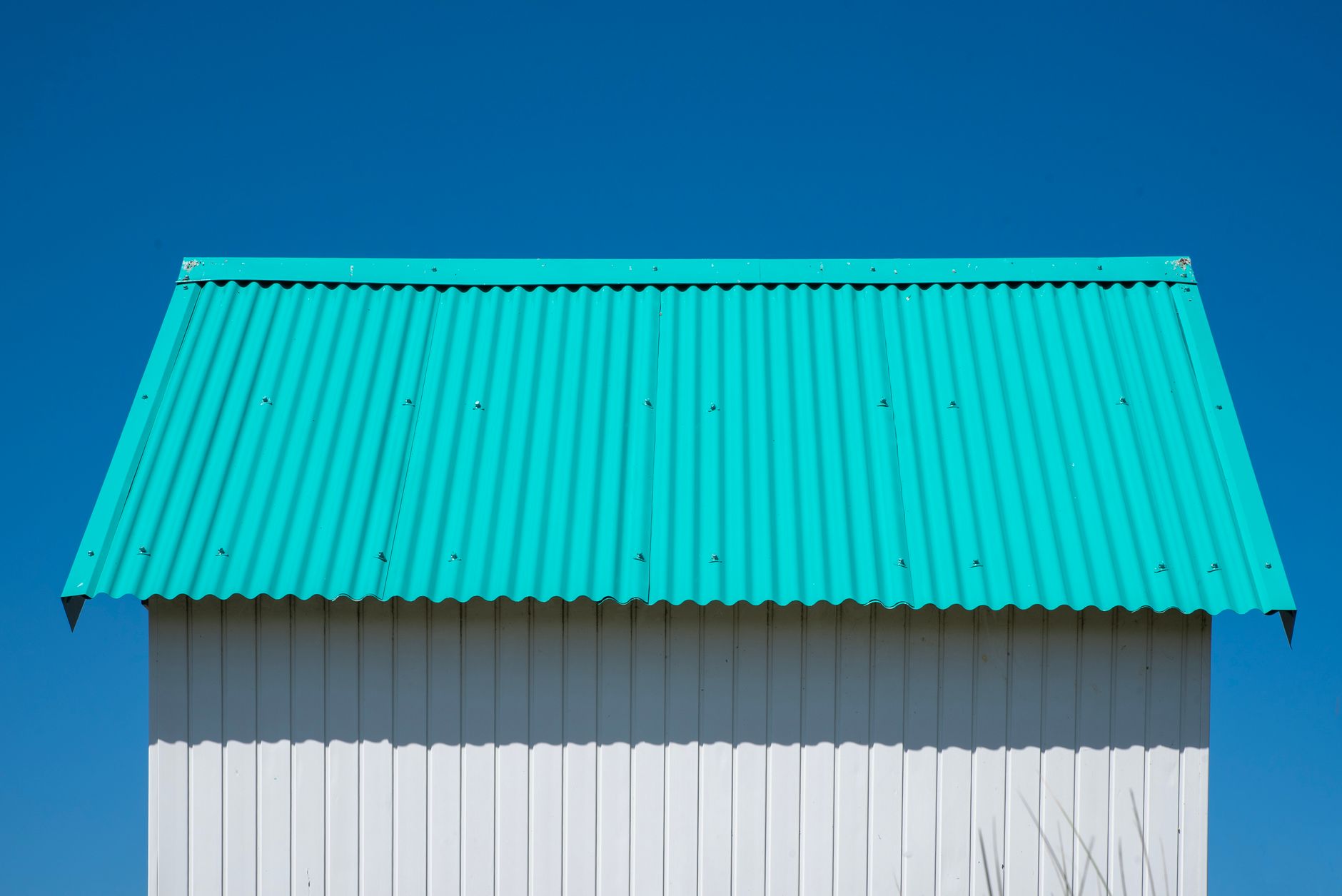
When choosing a modern tile-profile roof in Kenya, homeowners almost always narrow their choices down to two top contenders: versatile mabati and Roman Tile. Both profiles give your home an executive, stone-coated look at a fraction of the weight and cost of traditional clay tiles, while comparing roman tile mabati prices in kenya helps you decide which profile fits your budget.
This article is part of our complete guide: Mabati in Kenya Guide.
Side-by-Side Comparison: Versatile vs. Roman Tile
Feature Versatile Mabati RomanTile Mabati Visual Profile Sleek, modern step-tile waves with clean horizontal lines. Deep, bold, sculpted arches mimicking classic Mediterranean clay tiles. Gauge 30 Price KES 610 per meter KES 610 per meter Gauge 28 Price KES 730 per meter KES 740 per meter Popular Colors Multiple factory colors available on order. Charcoal Grey, Chocolate, Brown, Dark Green, and Tile Red. Warranty 20-year manufacturer warranty. 20-year manufacturer warranty. Best For Contemporary bungalows, maisonettes, and modern perimeter walls. Luxury residential homes, townhouses, and high-end rental apartments.
When to Choose Versatile Mabati
Versatile Mabati features a lower-profile wave pattern that looks crisp and contemporary. It is slightly easier to install on complex hip roofs with many valleys and cuts, and its Gauge 28 option saves you KES 10 per meter compared to Roman Tile.
When to Choose RomanTile Mabati
RomanTile Mabati stands out from a distance because of its high, rounded arches that cast rich shadows across the roof. If you want maximum curb appeal in colors like Charcoal Grey or Tile Red, RomanTile delivers a bold architectural finish.
Order Either Profile with Free Countrywide Delivery
Whether you prefer the modern lines of Versatile or the classic curves of RomanTile, Smart Builders Africa delivers custom-cut sheets straight to your site in 1 to 5 days at zero delivery cost. Call or WhatsApp 0705757151 for color samples and immediate ordering.
Understanding the Two Profiles
What versatile mabati looks like
Versatile mabati is a wide sheet with low, gentle ribs running along its length. It is used so widely across Kenya for roofs and walls that many people simply call it "the normal mabati." The low ribs give it a clean, flat appearance, and the generous cover width means fewer sheets are needed to span a roof. That is one reason versatile mabati is so common on rental units, perimeter walls, kitchens and farm buildings. When a builder wants a dependable roof without fuss, this is usually where the conversation starts.
What roman tile mabati is
Roman tile mabati is a steel sheet pressed into rounded, stepped ridges that imitate the look of clay or concrete tiles. From the ground, a well-fitted roof in this profile reads as a tiled roof, yet it is far lighter and goes on much faster than real tiles. The shaped steps also add some stiffness to the sheet, which helps it hold its form between supports. Because it is formed with more detail, it generally asks for more care in manufacturing, transport and fitting. For homeowners who want an upmarket finish without paying for heavy tiles and a stronger timber frame, it is an attractive middle path.
Why the naming confuses buyers
The confusion starts when suppliers use different names for similar things. One shop may list a tile profile as "Roman tile," another as "tile style" or "step tile," and a third may group several profiles under a single heading. Even the word "versatile" can sound like a general description rather than the name of a specific profile. Cover width, rib height and sheet length also vary between manufacturers, so two sheets with the same label are not always identical. Before comparing quotes, ask each supplier to state the exact profile name, the gauge, the cover width and the coating, so you are comparing like with like.
Mabati vs Roman Tile: Comparing Prices in the Kenyan Market
Typical differences at the same gauge
At the same gauge, roman tile sheets usually cost more per sheet than versatile mabati. The extra price reflects the more complex forming process and, often, a narrower effective cover width, which means you buy more sheets to cover the same roof. Exact figures move with steel costs, the manufacturer and the season, so any number we printed here would quickly go out of date. What stays consistent is the pattern: the tile look carries a premium. When you search for roman tile mabati prices in Kenya, treat any figure as a starting point and confirm it with a current quote.
How gauge changes the final cost
Gauge matters as much as profile when you work out cost per sheet. G28 is thicker and stronger than G30, so it is priced higher, and it tends to resist dents, wind flutter and foot traffic better. G30 is lighter on the pocket and perfectly adequate for many sheds, outbuildings and small homes with well-spaced purlins. The sensible approach is to price both profiles in both gauges and see how the four combinations compare. For a main house, many builders find that paying a little more for G28 is cheaper over the years than replacing damaged sheets early.
Checking quotes against length, coating and delivery
A low price on paper can hide a lot of differences, so look past the headline figure. Sheets are priced by length, and a quote for a short sheet cannot be compared with one for a longer sheet cut to your roof's run. Coating also matters, since colour finish, paint quality and the zinc layer beneath affect how well the sheet resists fading and rust. Delivery charges can then shift the total again, especially for sites far from town or on rough roads. Ask for a full written quote that lists profile, gauge, length, coating, quantity and delivery, and compare the totals instead of the unit prices.
Appearance and Suitability for Different Homes
Where roman tile fits best
Roman tile suits homes where a tiled, traditional look is wanted, such as bungalows, maisonettes and family homes in residential estates. The rounded ridges catch light in a way that flat sheets do not, which gives the roof some depth and character. Many homeowners pick deep reds, browns or charcoal shades to complete the effect. The look is especially effective on hip roofs and gables where the roof is a prominent part of the house. If curb appeal matters to you, or you plan to rent or sell the property later, the extra cost can be a sound investment.
Where versatile mabati fits best
Versatile mabati fits simple modern builds, outbuildings and budget-conscious projects. Its clean lines suit contemporary boxy designs, and its wider cover means quicker coverage over a plain roof. It is also the practical favourite for servants' quarters, stores, workshops, kiosks, poultry houses and rental blocks where cost per unit matters most. Because it is so common, replacement sheets and matching accessories are easy to find years later. For a roof that needs to do its job at a sensible price, it is hard to beat.
Roof pitch and neighbourhood style
Two practical factors should guide the choice beyond personal taste. Roof pitch comes first, because every profile has a recommended minimum slope for shedding water, and tile profiles with their stepped shapes can be less forgiving on very low slopes. Check the manufacturer's guidance and ask your fundi to confirm that your design meets it. The second factor is the character of your neighbourhood, since some estates have design rules or a prevailing style that makes one profile look more natural than the other. A quick walk around the area, looking at the roofs, will tell you a great deal.
Installation and Maintenance Considerations
Overlaps, fixing points and fasteners
Overlaps and fixing points differ by profile, and they decide how well the roof keeps out rain. Versatile sheets are normally fixed with roofing screws and sealing washers at the crests of the ribs, with side laps secured to prevent water creeping in under strong wind. Tile profiles have their own fixing positions and overlap recommendations, and following them closely matters more than many people realise. Using the right fasteners, with proper washers and the correct length for your timber or steel purlins, is essential on both. Cheap or mismatched screws are among the most common causes of leaks we hear about.
Handling during fitting
Roman tile profiles can be more sensitive to careless handling during fitting. The shaped ridges can be crushed or deformed if sheets are stacked badly, dragged across rough ground or walked on at the wrong points. A dented step is not only unsightly, it can also stop the sheets from nesting properly and leave gaps for water. Brief your fundi to carry sheets carefully, lay them on flat supports and avoid stepping on the profile where it is unsupported. Versatile mabati is generally more forgiving, though it still deserves careful handling to protect the coating.
Routine checks that extend roof life
Whichever profile you choose, a simple routine of inspection will add years to your roof. Look over the roof after the long rains and again before the next season, checking for loose or missing fasteners, lifted edges and signs of rust at cut edges. Clear leaves, dust and debris from valleys and gutters, because trapped moisture speeds up corrosion and can cause overflow into the walls. Touch up any scratches in the paint promptly, since exposed steel is where rust starts. Ten minutes of attention twice a year costs far less than a roof replacement.
Choosing the Right Option for Your Build
Start by setting a budget per square metre and compare complete landed costs, meaning sheets, ridge caps, roll caps, fasteners and delivery, rather than the price of sheets alone. A tile roof may look pricey per sheet, but when you add up the accessories and the visual payoff, it may still sit within your plan for the main house. Then match the profile to the roof design and the look you want: roman tile where the tiled appearance is part of the home's identity, and versatile mabati where simplicity and value come first. It is also fine to use both on one compound, with tile on the house and versatile sheets on the outbuildings. Whatever you decide, write the choice down with the gauge and the coating so everyone on site works from the same specification.
The final step is to buy from a supplier who can confirm gauge, coating and stock before you order. Ask whether the sheets are available in the lengths you need, whether the matching ridge caps and roll caps are in stock in the same colour, and which fasteners suit your chosen profile. A supplier who answers these questions clearly will save you delays, mismatched colours and costly returns. In the end, the choice between the two profiles is less about which is better and more about which fits your house, your slope, your neighbourhood and your wallet. If you take the time to compare complete quotes, respect the installation details and keep up simple maintenance, either roof can serve your family well for many years. When you are ready to price your own project, talk to a roofing materials store that stocks both profiles and can walk you through the numbers.
Get the best roofing sheets prices in Kenya
Best Mabati Prices →